Address:Botou, Cangzhou City, Hebei Province, China

Choosing the Right Semi-Automatic Leveling Machine for Your Business
Sep 06,2024
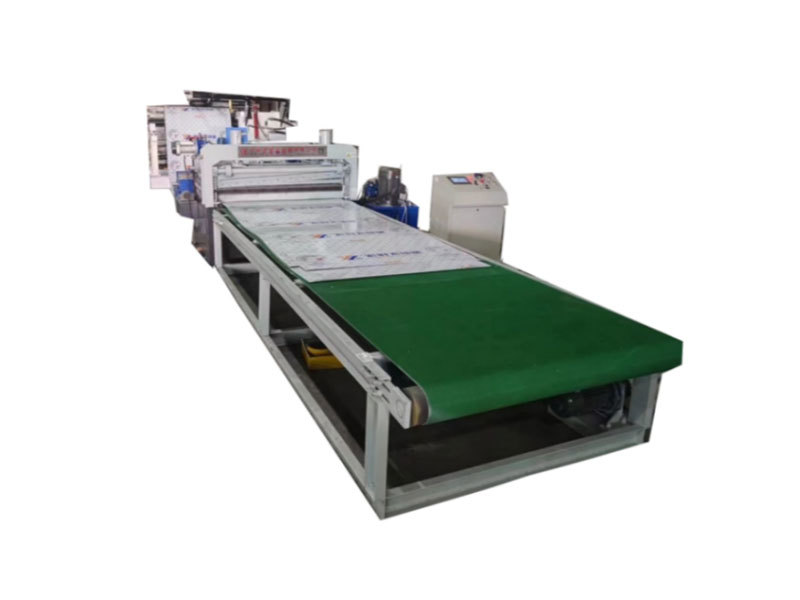
Choosing the Right Semi-Automatic Leveling Machine for Your Business
Table of Contents
- Introduction to Semi-Automatic Leveling Machines
- Understanding Your Business Needs
- Key Features to Look for in a Semi-Automatic Leveling Machine
- Capacity and Size Considerations
- Precision and Accuracy
- Ease of Use and Maintenance
- Types of Semi-Automatic Leveling Machines
- Roller Leveling Machines
- Shear Leveling Machines
- Combination Leveling Machines
- Benefits of Using Semi-Automatic Leveling Machines
- Cost Considerations and Budgeting
- Integration with Existing Equipment
- Choosing a Reliable Manufacturer
- Frequently Asked Questions (FAQs)
Introduction to Semi-Automatic Leveling Machines
Semi-automatic leveling machines play a crucial role in the manufacturing process, particularly in industries that require precise material handling and manipulation. These machines are designed to flatten or level materials, ensuring uniform thickness and quality, which is essential for various applications. In this article, we will delve into how to select the ideal semi-automatic leveling machine for your business, taking into account specific needs, features, types, and additional considerations.
Understanding Your Business Needs
Before diving into the different machines available, it is vital to assess your business requirements. Identify the materials you work with, the volume of production, and the desired output quality. Key questions to consider include:
- **What type of materials will be leveled?**
- **What is the maximum size and thickness of the materials?**
- **How often will the machine be used?**
- **What is your budget range?**
Answering these questions will help in narrowing down options and ensuring that your choice aligns with your operational goals.
Key Features to Look for in a Semi-Automatic Leveling Machine
When selecting a semi-automatic leveling machine, there are several features that should be prioritized to ensure optimal performance.
Capacity and Size Considerations
Understanding the maximum capacity and size of the materials you intend to work with is essential. Machines are typically rated based on their ability to handle different thicknesses and dimensions. Ensure that the machine you select can accommodate your largest materials while still providing the necessary leveling capabilities.
Precision and Accuracy
In manufacturing, precision is paramount. Look for machines that offer adjustable settings for leveling, ensuring that you can achieve the desired thickness consistently. Features such as digital readouts and advanced calibration options can enhance accuracy.
Ease of Use and Maintenance
A user-friendly machine can significantly impact productivity. Consider models that feature intuitive controls and easy-to-follow operational manuals. Additionally, investigate the maintenance requirements; machines that are easy to service and maintain will save you time and reduce downtime.
Types of Semi-Automatic Leveling Machines
Understanding the types of semi-automatic leveling machines available will help in selecting the right one for your business needs.
Roller Leveling Machines
Roller leveling machines utilize a series of rollers to achieve uniform thickness across materials. They are particularly effective for thin sheets and can handle various materials, including metals and plastics.
Shear Leveling Machines
Shear leveling machines are designed to cut and level materials simultaneously. They are ideal for thicker materials and provide a high degree of accuracy and finish.
Combination Leveling Machines
As the name suggests, combination leveling machines offer features from both roller and shear machines. They provide versatility and are suitable for businesses that handle a wide range of material types and thicknesses.
Benefits of Using Semi-Automatic Leveling Machines
Investing in a semi-automatic leveling machine offers numerous benefits, including:
- **Increased Efficiency:** Automating the leveling process reduces manual labor, allowing for faster production times.
- **Enhanced Quality Control:** Consistent leveling ensures that all materials meet quality standards, reducing waste and rework.
- **Versatility:** Many semi-automatic machines can handle various materials and applications, making them a worthwhile investment for diverse manufacturing needs.
Cost Considerations and Budgeting
Budgeting for a semi-automatic leveling machine requires a thorough understanding of not only the initial purchase price but also ongoing operational costs. Consider factors such as:
- **Purchase Price:** Research models that fit within your budget while still meeting your performance requirements.
- **Operational Costs:** Evaluate energy consumption, maintenance, and potential downtime costs.
- **Return on Investment (ROI):** Assess how the machine will impact productivity and quality, ultimately influencing your bottom line.
Integration with Existing Equipment
A critical aspect of selecting a semi-automatic leveling machine is ensuring it can seamlessly integrate into your current setup. Consider the following:
- **Compatibility with Current Machines:** Ensure that the new machine can work with existing equipment, particularly in terms of size and operational capabilities.
- **Automation Compatibility:** If your business already utilizes automated systems, choose a machine that can easily connect and communicate with other equipment.
Choosing a Reliable Manufacturer
Selecting a reputable manufacturer is crucial for ensuring the longevity and reliability of your semi-automatic leveling machine. Look for manufacturers with:
- **A Track Record of Quality:** Research reviews and testimonials from other businesses to gauge the manufacturer's reliability.
- **Customer Support Services:** A manufacturer that offers comprehensive customer support and maintenance services can significantly enhance your experience and machine longevity.
- **Warranty and After-Sales Support:** Ensure that the manufacturer provides a warranty and options for after-sales support to protect your investment.
Frequently Asked Questions (FAQs)
1. What is the primary difference between manual and semi-automatic leveling machines?
Semi-automatic leveling machines reduce manual labor by automating parts of the leveling process, whereas manual machines rely entirely on human operation.
2. How much maintenance does a semi-automatic leveling machine require?
Maintenance requirements vary by machine, but regular cleaning, lubrication, and occasional calibration are generally necessary to ensure optimal performance.
3. Can semi-automatic leveling machines handle different material types?
Yes, many semi-automatic leveling machines are designed to work with various materials, including metals, plastics, and composites, depending on their specifications.
4. Are there specific safety features I should look for?
Yes, look for machines with safety guards, emergency stop buttons, and safety interlocks to protect operators during use.
5. How can I assess the ROI of a semi-automatic leveling machine?
Evaluate the machine's impact on production speed, quality, and labor costs to determine the overall return on investment.
Conclusion
Choosing the right semi-automatic leveling machine for your business is a critical decision that can significantly enhance your manufacturing capabilities. By understanding your specific needs, evaluating essential features, and considering the various options available, you can make an informed choice that aligns with your operational goals. Investing in a quality machine not only improves efficiency but also ensures consistent quality, ultimately contributing to your business's success in a competitive market.
TAG:

Contact Us
E-mail :
chiyuan@chiyuanmachine.com
Phone/Wechat:
+86-13483837770
Address:
Botou Economic Development Zone, Cangzhou City, Hebei Province, China



Request Quote