Address:Botou, Cangzhou City, Hebei Province, China

Maximizing Production with Double Layer Tile Press Innovations: Revolutionizing the Manufacturing Process
Sep 04,2024
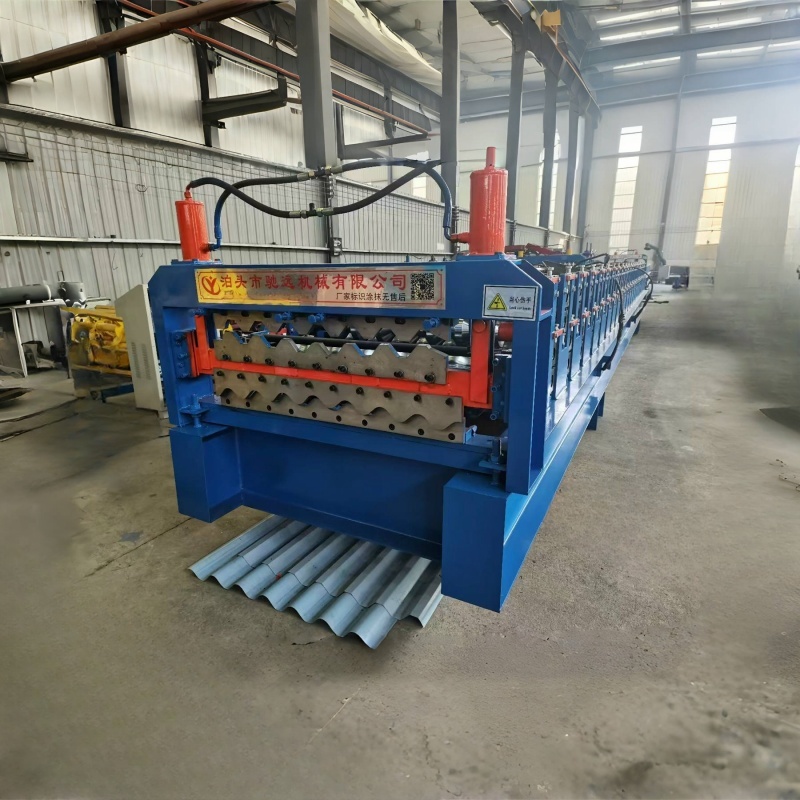
Maximizing Production with Double Layer Tile Press Innovations
Introduction to Double Layer Tile Press Innovations
The manufacturing industry is evolving rapidly, with technological advancements leading the way in enhancing production efficiency. One of the most significant innovations in this space is the **double layer tile press**. This revolutionary machinery not only streamlines the production process but also improves the quality of the tiles produced. In this article, we will explore the principles behind double layer tile press technology, its benefits, operational aspects, and how it can contribute to maximizing production in the tile manufacturing sector.
Understanding the Mechanics of Double Layer Tile Presses
What is a Double Layer Tile Press?
A double layer tile press is an advanced piece of machinery designed to create tiles with two distinct layers, typically combining a decorative surface layer with a more robust base layer. This innovative method allows manufacturers to produce high-quality tiles that offer both aesthetic appeal and durability.
How Does the Double Layer Technology Work?
The technology behind double layer tile presses involves a series of sophisticated processes:
1. **Material Preparation**: Raw materials, including clay, pigments, and additives, are carefully mixed to form a composite that meets specific performance criteria.
2. **Layer Formation**: The press utilizes two separate chambers to shape the base and surface layers simultaneously. This process ensures that both layers bond effectively during pressing.
3. **Pressing Mechanism**: Using hydraulic or mechanical force, the layers are compacted to achieve the desired density and thickness, resulting in tiles that are more durable and visually appealing.
4. **Curing and Drying**: Post-pressing, the tiles undergo a curing process to enhance strength and finish quality.
The Advantages of Double Layer Tile Presses
Enhanced Aesthetic Appeal
Double layer tile presses enable manufacturers to produce tiles with varied colors, textures, and designs on the surface layer. This capability allows for the creation of customized tiles that cater to diverse consumer preferences and architectural styles.
Increased Durability and Performance
The production of tiles with two distinct layers significantly enhances their strength and performance. The base layer provides structural integrity, while the surface layer can be engineered to resist wear, stains, and moisture, resulting in longer-lasting products.
Optimized Production Efficiency
By streamlining the manufacturing process and reducing the number of required steps, double layer tile presses can drastically increase output. This optimization is crucial in meeting growing market demands without compromising quality.
Key Features of Double Layer Tile Press Machines
Automation Capabilities
Modern double layer tile presses often come equipped with advanced automation features. These capabilities allow for precise control over the pressing process, reducing human error and increasing production consistency.
Energy Efficiency
With rising energy costs, manufacturers are increasingly looking for ways to reduce their carbon footprint. Double layer tile presses are designed with energy-efficient technologies that minimize power consumption during operation.
Versatile Applications
These machines are not limited to producing standard tiles; they can also handle various materials, including porcelain and ceramic, making them suitable for a wide range of applications in the construction and design sectors.
Operational Considerations for Using Double Layer Tile Presses
Maintenance and Upkeep
Regular maintenance is essential for ensuring the longevity and efficiency of double layer tile presses. Manufacturers should implement a comprehensive maintenance schedule that includes routine inspections and timely repairs.
Training for Operators
To maximize the benefits of double layer tile presses, it is crucial to provide adequate training for operators. A well-trained workforce can optimize machine usage, troubleshoot common issues, and maintain production quality.
Safety Protocols
Implementing safety protocols is critical in a manufacturing environment. Operators should be trained on the safe handling of materials and machinery to prevent accidents and ensure a secure workplace.
Future Trends in Double Layer Tile Press Technology
Integration of Smart Technology
The future of double layer tile presses lies in the integration of smart technology. IoT-enabled machines can provide real-time data on production metrics, allowing manufacturers to monitor performance and make informed decisions.
Sustainable Practices
As environmental concerns continue to grow, manufacturers are focusing on sustainable practices. Innovations in double layer tile presses that incorporate eco-friendly materials and processes will likely dominate the market in the coming years.
Cost-Benefit Analysis of Implementing Double Layer Tile Presses
Initial Investment vs. Long-Term Gains
While the initial cost of acquiring double layer tile presses may be significant, the long-term benefits often outweigh these expenses. Increased production capacity, reduced labor costs, and enhanced product quality contribute to a favorable return on investment.
Financing Options for Manufacturers
Manufacturers exploring the acquisition of double layer tile presses can consider various financing options. Leasing, loans, and grants may provide financial flexibility, making it easier to invest in this advanced technology.
Comparison with Traditional Tile Press Technologies
Efficiency Metrics
When comparing double layer tile presses to traditional single-layer presses, efficiency metrics clearly favor the newer technology. Production rates, energy consumption, and material waste are all improved in double layer systems.
Quality Differentiation
The ability to produce tiles with enhanced visual and structural properties sets double layer tile presses apart from their traditional counterparts. This quality differentiation can significantly impact market competitiveness.
FAQs About Double Layer Tile Press Innovations
1. What types of materials can be used with double layer tile presses?
Double layer tile presses can work with a variety of materials such as clay, porcelain, and ceramic, allowing for flexibility in production.
2. How does double layer technology improve tile durability?
By combining two layers with distinct properties, the tiles benefit from enhanced strength and resistance to wear and tear.
3. Are double layer tile presses energy-efficient?
Yes, modern double layer tile presses are designed with energy-saving technologies, reducing overall power consumption during production.
4. What maintenance is required for double layer tile presses?
Routine inspections, cleaning, and timely repairs are essential for maintaining operational efficiency and longevity.
5. Can double layer tile presses be automated?
Yes, many double layer tile presses feature automation capabilities, which enhance precision and reduce labor costs.
Conclusion
The advent of **double layer tile press innovations** marks a significant milestone in the manufacturing sector. With their ability to enhance production efficiency, improve tile quality, and adapt to emerging trends, these machines are reshaping the future of tile manufacturing. As more manufacturers recognize the benefits of this technology, we can expect to see broader adoption and continuous advancements, ultimately leading to a more competitive and sustainable industry. Embracing these innovations is essential for manufacturers aiming to maximize production and meet the dynamic demands of the marketplace.
TAG:

Contact Us
E-mail :
chiyuan@chiyuanmachine.com
Phone/Wechat:
+86-13483837770
Address:
Botou Economic Development Zone, Cangzhou City, Hebei Province, China



Request Quote