Address:Botou, Cangzhou City, Hebei Province, China

How CNC Slitting Machines Revolutionize Material Processing Techniques: A Comprehensive Guide
Aug 31,2024
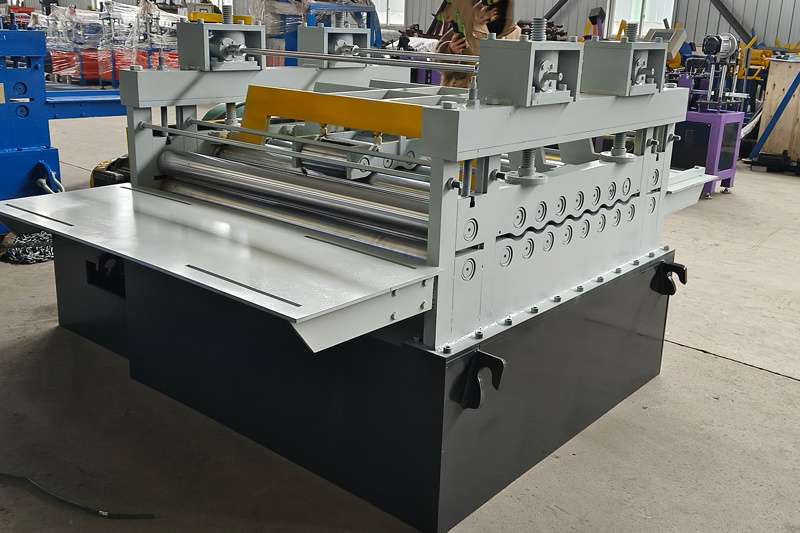
How CNC Slitting Machines Revolutionize Material Processing Techniques
Table of Contents
- 1. Introduction to CNC Slitting Machines
- 2. Understanding CNC Technology in Slitting Machines
- 3. Benefits of CNC Slitting Machines in Manufacturing
- 4. Applications Across Various Industries
- 5. Achieving Precision and Efficiency with CNC Slitting
- 6. Choosing the Right CNC Slitting Machine for Your Needs
- 7. The Future of CNC Slitting Technology
- 8. Frequently Asked Questions (FAQs)
- 9. Conclusion
1. Introduction to CNC Slitting Machines
CNC slitting machines have emerged as a vital component in the world of manufacturing, fundamentally changing how materials are processed. Unlike traditional slitting machines, CNC (Computer Numerical Control) technology allows for automated and precise cutting, which significantly enhances productivity and reduces errors. This article delves into the intricate workings of CNC slitting machines, their advantages, and their widespread applications in various industries.
2. Understanding CNC Technology in Slitting Machines
CNC technology in slitting machines refers to the use of computerized controls to manage the movement of the cutting tool. This technology enables accurate and repeatable cuts, which is crucial for producing parts that meet strict specifications. **CNC slitting machines** utilize sophisticated software that allows operators to design complex cutting patterns and adjust parameters for different materials.
How CNC Works in Slitting Machines
The CNC slitting process begins with the input of a digital design into the machine's software. The CNC controller interprets this design and translates it into precise movements of the cutting tool. Key elements of CNC slitting machines include:
- **Motorized Drives**: Provide precise control of the cutting tool's position and speed.
- **Cutting Tools**: Made from durable materials, enabling them to slice through various substrates, including metals, plastics, and composites.
- **Feedback Systems**: Ensure that the machine operates within specified tolerances, improving accuracy.
3. Benefits of CNC Slitting Machines in Manufacturing
The advantages of incorporating CNC slitting machines into manufacturing processes are numerous. Here are some key benefits:
Enhanced Precision
CNC slitting machines deliver unparalleled precision, ensuring that cuts are made exactly where required. This reduces material waste and enhances the overall quality of the finished product.
Increased Efficiency
Automation significantly increases the speed at which materials can be processed. Operators can set up jobs and monitor multiple machines simultaneously, leading to higher throughput.
Reduced Labor Costs
With automation comes a decrease in the need for manual labor. Fewer operators are required to perform the same volume of work, resulting in lower labor costs and reduced human error.
Versatility
CNC slitting machines can handle a wide range of materials and thicknesses. This versatility makes them suitable for various applications, from automotive components to consumer goods.
Improved Safety
Automated systems minimize operator exposure to potentially hazardous conditions, enhancing workplace safety.
4. Applications Across Various Industries
CNC slitting machines are employed in a multitude of industries, showcasing their versatility and effectiveness. Some notable applications include:
Automotive Industry
In the automotive sector, CNC slitting machines are used to produce precision components such as brackets, trims, and chassis parts.
Aerospace Sector
The aerospace industry relies on CNC slitting for manufacturing lightweight and durable components that meet rigorous safety and performance standards.
Electronics Manufacturing
CNC slitting is essential in producing circuit boards and other electronic parts, where accuracy and precision are paramount.
Packaging Industry
In packaging, CNC slitting machines create labels, pouches, and containers with intricate designs and exact dimensions.
Metal Fabrication
Metal workshops use CNC slitting machines to cut sheets and coils into usable parts for further processing.
5. Achieving Precision and Efficiency with CNC Slitting
To maximize the benefits of CNC slitting technology, it's crucial to focus on both precision and efficiency. Here are some strategies to achieve this:
Regular Maintenance
Regular servicing and maintenance of CNC slitting machines ensure they perform optimally, reducing downtime and extending equipment life.
Employee Training
Proper training for operators helps them understand the intricate features of CNC machines, enabling them to troubleshoot and optimize cutting processes effectively.
Software Upgrades
Keeping the CNC software up-to-date provides access to the latest features and improvements in cutting technology, enhancing overall performance.
6. Choosing the Right CNC Slitting Machine for Your Needs
Selecting the right CNC slitting machine involves several factors, including:
Material Type
Consider the materials you will be processing. Different machines are designed to handle various thicknesses and types of substrates.
Production Volume
Evaluate your production needs. High-volume operations may require larger, more robust machines capable of handling continuous workloads.
Budget Constraints
Determine your budget. While investing in high-quality equipment is crucial, there are options available that can meet various price points without compromising on efficiency.
After-Sales Support
Research the manufacturer’s reputation for customer service and support. Reliable after-sales service is essential for ongoing maintenance and troubleshooting.
7. The Future of CNC Slitting Technology
The future of CNC slitting technology looks promising, with advancements on the horizon. Innovations such as artificial intelligence (AI) and machine learning are expected to play a significant role in enhancing the capabilities of CNC slitting machines. These technologies could lead to smarter, more adaptive systems that optimize cutting processes in real time.
Sustainability Trends
As industries move toward sustainable practices, CNC slitting machines are also evolving. Manufacturers are focusing on energy-efficient designs and techniques that minimize waste, aligning with global sustainability goals.
Integration with Industry 4.0
The integration of CNC slitting machines into the Industry 4.0 ecosystem will facilitate smarter factories. Real-time data collection and analysis will enable manufacturers to improve efficiency and reduce downtime significantly.
8. Frequently Asked Questions (FAQs)
What materials can CNC slitting machines process?
CNC slitting machines can process a variety of materials, including metals, plastics, composites, and paper products.
How does CNC technology improve slitting precision?
CNC technology utilizes computerized controls to ensure accurate and repeatable cuts, significantly reducing errors compared to manual methods.
What industries benefit most from CNC slitting machines?
Industries such as automotive, aerospace, electronics, packaging, and metal fabrication greatly benefit from CNC slitting technology.
What factors should I consider when purchasing a CNC slitting machine?
Consider material type, production volume, budget, and after-sales support when selecting a CNC slitting machine.
How can I improve the efficiency of my CNC slitting processes?
Regular maintenance, employee training, and software upgrades can enhance the efficiency and precision of your CNC slitting operations.
9. Conclusion
CNC slitting machines have revolutionized material processing techniques, providing manufacturers with the precision, efficiency, and versatility needed in today’s competitive market. By understanding the technology, benefits, and applications of CNC slitting, businesses can make informed decisions about their manufacturing processes. As technology continues to evolve, the potential for CNC slitting machines to transform industries is limitless. Investing in this technology is not just about keeping up with trends; it's about leading the way in innovation and productivity.
TAG:

Contact Us
E-mail :
chiyuan@chiyuanmachine.com
Phone/Wechat:
+86-13483837770
Address:
Botou Economic Development Zone, Cangzhou City, Hebei Province, China



Request Quote